Easy Baked Garlic Parmesan Potato Wedges
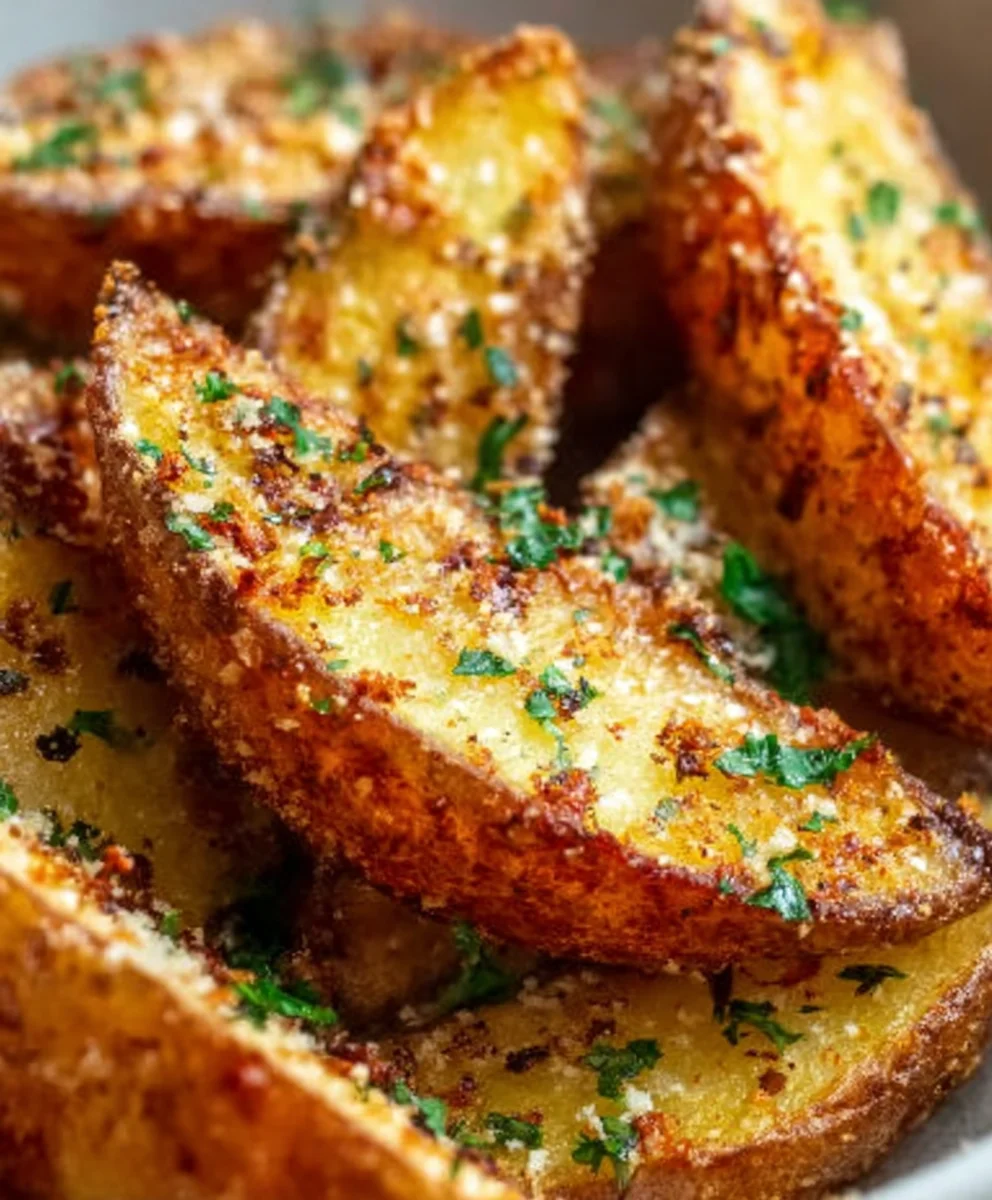
Baked Garlic Parmesan Potato Wedges are more than just a side dish; they’re a culinary hug, a crispy, golden invitation to comfort food heaven. We all have those dishes that instantly transport us back to happy memories, and for so many, these perfectly seasoned potato wedges hold that special place. What’s not to love? The satisfying crunch that gives way to a fluffy, tender interior is utterly irresistible. The magic truly lies in the harmonious blend of pungent garlic, salty Parmesan cheese, and the humble potato, elevated to star status through the simple yet profound art of baking. They are incredibly versatile, pairing beautifully with everything from juicy steaks to a simple grilled cheese sandwich, making them a go-to for weeknight dinners and weekend gatherings alike.
What makes these Baked Garlic Parmesan Potato Wedges so special?
It’s the perfect balance of savory flavors and a delightful texture that keeps you reaching for more, bite after delicious bite.

Ingredients:
- 3-4 large russet potatoes
- 4 tablespoons olive oil
- 2 teaspoons salt
- 2 teaspoons garlic powder
- 2 teaspoons Italian seasoning
- ½ cup shredded parmesan cheese
Instructions:
Preparation: The Foundation of Flavor
The journey to perfect Baked Garlic Parmesan Potato Wedges begin extracts with proper preparation. First, gather all your ingredients so they are within easy reach. This ensures a smooth cooking process and prevents any last-minute dashes to the pantry. Now, let’s turn our attention to the star of the show: the russet potatoes. Russets are ideal for this recipe because their starchy interior bakes up fluffy and delicious, while their skin crisps up beautifully when roasted. To prepare them, we’ll start by giving them a good scrub under cool running water. This removes any dirt or debris from the skin, which we’ll be leaving on for added texture and flavor. Next, you’ll need to trim the ends of each potato. This is a simple step, but it creates a stable base for slicing and removes any potentially tough or unappetizing parts.
Cutting and Seasoning: Building the Flavor Profile
Once the potatoes are clean and trimmed, it’s time to cut them into wedges. The size of your wedges will influence how quickly they cook and how crispy they become. Aim for wedges that are roughly ½ to ¾ inch thick at their widest point. This uniformity is key to ensuring that all the wedges cook evenly. If some are significantly thicker than others, you’ll end up with a mix of perfectly cooked and undercooked or overcooked pieces. To achieve this, cut each potato in half lengthwise. Then, place each half cut-side down and cut it into three or four wedges, depending on the size of the potato. Don’t worry if they aren’t perfectly identical; rustic charm is part of the appeal of homemade potato wedges.
Now, let’s get these wedges ready for their flavorful coating. In a large bowl, combine the 4 tablespoons of olive oil. This is where we’ll build our delicious seasoning blend. Add the 2 teaspoons of salt, which will enhance all the other flavors and help draw out moisture for crispier wedges. Next, sprinkle in the 2 teaspoons of garlic powder. Garlic is an essential component of this recipe, providing a robust and savory base. Finally, add the 2 teaspoons of Italian seasoning. This blend, typically containing oregano, basil, thyme, and rosemary, brings a wonderful aromatic complexity and a hint of herbaceous freshness that perfectly complements the potatoes and garlic.
Once the seasonings are in the bowl with the olive oil, toss everything together thoroughly. We want to ensure that all the dry spices are well distributed within the oil. This creates a more even coating on the potato wedges and prevents pockets of intense flavor. Now, add your prepared potato wedges to this seasoned olive oil. Using your hands or a spatula, gently toss the wedges to coat each one completely. Make sure every surface of the potato is covered with the flavorful oil mixture. This step is crucial for achieving that signature crispiness and infusing the potatoes with all the savory goodness.
Roasting: The Transformation to Crispy Perfection
Preheat your oven to a hot 400°F (200°C). This high temperature is essential for achieving beautifully golden and crispy potato wedges. While the oven is preheating, line a large baking sheet with parchment paper. This not only makes for easy cleanup but also helps to prevent the potato wedges from sticking to the pan, which is crucial for achieving an even crisp on all sides.
Once your oven has reached the desired temperature and your baking sheet is prepared, carefully arrange the seasoned potato wedges on the baking sheet in a single layer. It’s incredibly important that the wedges are not overlapping. If they are piled on top of each other, they will steam rather than roast, resulting in soft, soggy wedges instead of the desired crispy exterior. Give them ample space to breathe; this allows the hot air to circulate around each wedge, promoting even browning and crisping.
Place the baking sheet in the preheated oven and let the magic happen for about 20-25 minutes. During this initial roasting period, the potatoesgin extractll begin to soften and turn golden brown. Resist the urge to peek too early, as this can disrupt the cooking process and lead to uneven results.
The Parmesan Finish: A Golden Crown of Flavor
After the initial 20-25 minutes of roasting, it’s time for the star ingredient that elevates these wedges to a whole new level: the parmesan cheese. Carefully remove the baking sheet from the oven. The potato wedges should be starting to look golden and tender. Now, evenly sprinkle the ½ cup of shredded parmesan cheese over the top of the potato wedges. Try to distribute it as uniformly as possible so that every wedge gets a delicious coating of cheesy goodness.
Return the baking sheet to the oven for another 10-15 minutes, or until the parmesan cheese is melted, golden brown, and delightfully crispy. Keep a close eye on them during this final stage, as parmesan cheese can go from perfectly browned to burnt very quickly. The aroma that fills your kitchen at this point is truly irresistible – a testament to the deliciousness that awaits!
Once the parmesan cheese is beautifully golden and the potato wedges are cooked through and tender on the inside with a fantastic crisp exterior, remove them from the oven. Allow them to cool on the baking sheet for a few minutes before serving. This brief resting period allows the flavors to meld and the wedges to firm up slightly, making them easier to handle and enjoy. Serve these Baked Garlic Parmesan Potato Wedges hot, and watch them disappear! They are a fantastic side dish for burgers, steak, chicken, or simply enjoyed on their own as a satisfying snack.
Conclusion:
There you have it – your guide to crafting the most incredibly delicious Baked Garlic Parmesan Potato Wedges! We’ve walked through each step to ensure your wedges turn out perfectly crispy on the outside and delightfully fluffy on the inside, infused with that irresistible garlic and Parmesan flavor. These aren’t just a side dish; they’re a star player ready to elevate any meal. Imagin extracte them alongside grilled chicken, a juicy burger, or even as a satisfying snack on their own. Don’t be afraid to experiment! You can toss these Baked Garlic Parmesan Potato Wedges with a pinch of smoked paprika for a little heat or add a sprinkle of fresh rosemary for an aromatic twist. The possibilities are truly endless. We encourage you to give this recipe a try and discover just how easy and rewarding it is to create these crowd-pleasing potato wedges. Happy baking!
Frequently Asked Questions:
Q1: How can I make sure my Baked Garlic Parmesan Potato Wedges are extra crispy?
For ultimate crispiness, ensure your oven is preheated properly. Don’t overcrowd the baking sheet; give the wedges plenty of space so they can roast evenly instead of steaming. Using a hotter oven temperature, like 425°F (220°C), also helps achieve a crispier exterior. Flipping them halfway through the baking time is another great trick!
Q2: Can I use a different type of potato for these Baked Garlic Parmesan Potato Wedges?
Absolutely! While russet potatoes are fantastic for their fluffy interior and ability to crisp up well, you can also use Yukon Golds or red potatoes. Just be aware that the texture might vary slightly. Yukon Golds will offer a slightly creamier interior, and red potatoes will hold their shape a bit more. Adjust baking time as needed for the specific potato type.
Easy Baked Garlic Parmesan Potato Wedges
Crispy and flavorful potato wedges baked to perfection with garlic, parmesan cheese, and Italian seasonings. An easy and delicious side dish.
Ingredients
-
3-4 large russet potatoes
-
4 tablespoons olive oil
-
2 teaspoons salt
-
2 teaspoons garlic powder
-
2 teaspoons Italian seasoning
-
½ cup shredded parmesan cheese
Instructions
-
Step 1
Scrub russet potatoes thoroughly under cool water. Trim the ends of each potato to create a stable base. -
Step 2
Cut each potato in half lengthwise, then cut each half into 3-4 wedges, approximately ½ to ¾ inch thick at their widest point. Ensure uniformity for even cooking. -
Step 3
In a large bowl, combine olive oil, salt, garlic powder, and Italian seasoning. Toss thoroughly to create a well-distributed seasoning blend. -
Step 4
Add the prepared potato wedges to the seasoned olive oil and toss to coat each wedge completely. Ensure all surfaces are covered. -
Step 5
Preheat oven to 400°F (200°C). Line a large baking sheet with parchment paper and arrange the seasoned potato wedges in a single layer, ensuring they do not overlap. -
Step 6
Roast for 20-25 minutes, or until potatoes begin to soften and turn golden brown. -
Step 7
Remove from oven and evenly sprinkle shredded parmesan cheese over the potato wedges. Return to the oven for another 10-15 minutes, or until the parmesan cheese is melted, golden brown, and crispy. -
Step 8
Remove from oven and let cool on the baking sheet for a few minutes before serving hot.
Important Information
Nutrition Facts (Per Serving)
It is important to consider this information as approximate and not to use it as definitive health advice.
Allergy Information
Please check ingredients for potential allergens and consult a health professional if in doubt.