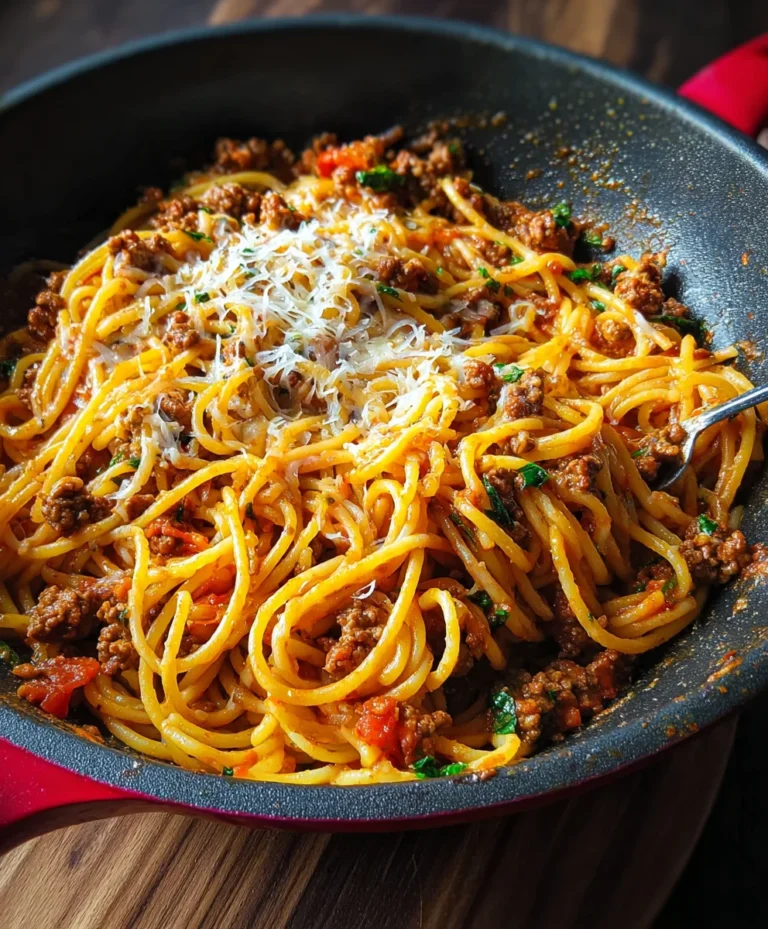
Gluten-Free Teriyaki Salmon Sushi Bowl Recipe
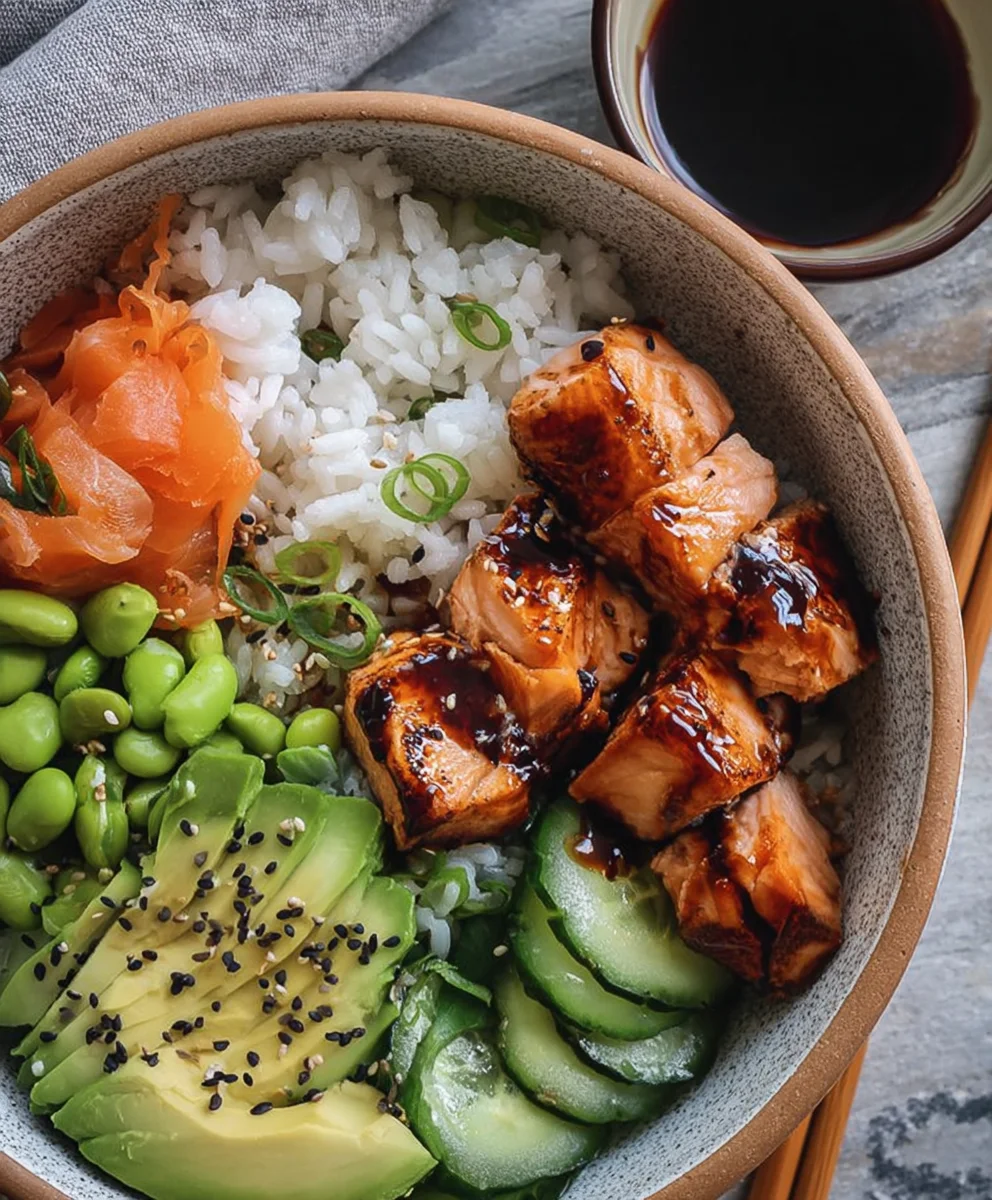
Teriyaki Salmon Sushi Bowl (GF) is more than just a meal; it’s a vibrant explosion of flavors and textures that will transport your taste buds straight to Japan. We all crave those satisfying meals that feel both incredibly wholesome and delightfully indulgent, and this dish hits every mark. What makes this particular Teriyaki Salmon Sushi Bowl so utterly captivating? It’s the perfect harmony of sweet and savory teriyaki-glazed salmon, flaky and tender, nestled atop a bed of perfectly seasoned sushi rice. Add to that the refreshing crunch of crisp vegetables and the subtle umami kick of nori, and you have a recipe for pure culinary bliss. The fact that it’s gluten-free makes it accessible and enjoyable for so many, removing any dietary barriers to this incredible experience.
Why You’ll Love This Dish
People adore this Teriyaki Salmon Sushi Bowl (GF) because it delivers all the incredible taste and satisfaction of restaurant-quality sushi without the fuss or the gluten. It’s a weeknight winner that feels special enough for guests, offering a complete and balanced meal in one beautiful bowl. Imagin extracte the glossy, caramelized salmon, its rich flavor coating every grain of rice – it’s truly irresistible.
What Makes It Special
This recipe truly shines because it allows you to customize every component. You control the sweetness of the teriyaki glaze, the freshness of your vegetables, and the tenderness of your salmon. Plus, creating your own Teriyaki Salmon Sushi Bowl (GF) at home is a rewarding experience, offering a healthier and more economical alternative to dining out. The vibrant colors alone are a feast for the eyes, promising a delightful and nourishing culinary adventure.
Ingredients:
- 180g (6.5oz) sushi rice
- 3 tbsp rice vinegar
- 1 tsp caster sugar
- 0.5 tsp fine salt
- 30ml (1fl oz) maple syrup
- 1 tsp sesame oil
- 2 tsp gluten free tamari soy sauce
- 0.5 tsp garlic granules
- 1 tsp non-non-non-alcoholic alternativeic non-alcoholic mirin
- 2 salmon fillets
- 2 tbsp sesame seeds
- 4 spring onions
- 150g (5oz) edamame beans
- Half a ripe avocado
Preparing the Sushi Rice
The Foundation of Your Bowl
This Teriyaki Salmon Sushi Bowl (GF) starts with perfectly seasoned sushi rice, which is essential for that authentic sushi flavor and texture. We’ll begin extract by rinsing the rice thoroughly. Place your 180g of sushi rice in a fine-mesh sieve and rinse it under cold running water. Keep rinsing, swirling the rice gently with your fingers, until the water runs clear. This removes excess starch, preventing the rice from becoming gummy. Once rinsed, let the rice drain in the sieve for about 15-20 minutes. This pre-soaking step helps the rice cook more evenly and achieve that desirable slightly sticky consistency.
Now, transfer the drained rice to a medium saucepan. Add 200ml of cold water to the saucepan. Bring the water to a boil over medium-high heat, then immediately reduce the heat to the lowest possible setting, cover the pan tightly with a lid, and let it simmer for 15 minutes. It’s crucial not to lift the lid during this steaming process. After 15 minutes, remove the saucepan from the heat and let it stand, still covered, for another 10 minutes. This resting period allows the residual steam to finish cooking the rice gently.
While the rice is steaming and resting, it’s time to prepare the sushi vinegar seasoning. In a small bowl, combine 3 tbsp of rice vinegar, 1 tsp of caster sugar, and 0.5 tsp of fine salt. Whisk these ingredients together until the sugar and salt are completely dissolved. This mixture will add that characteristic tangy-sweet flavor to your sushi rice. Once the rice has rested, carefully transfer it to a large, shallow bowl (a wooden hangiri is traditional, but any wide, flat bowl will work). Gradually drizzle the rice vinegar mixture over the hot rice, using a spatula or rice paddle to gently fold and cut through the rice. Avoid mashing the rice; the goal is to separate the grains and coat them evenly with the seasoning. Fan the rice as you mix; this helps it cool down quickly and gives it a glossy sheen. Set the seasoned sushi rice aside to cool to room temperature.
Marinating and Cooking the Salmon
Glazing with Flavor
Next, we’ll prepare the star of our bowl: the teriyaki salmon. In a small bowl, whisk together the marinade ingredients. Combine 30ml (1fl oz) of maple syrup, 1 tsp of sesame oil, 2 tsp of gluten-free tamari soy sauce, 0.5 tsp of garlic granules,non-alcoholic alternativetsp of non-non-alcoholic mirinolicolic mirin. Stir these until they are well incorporated, creating a fragrant and sticky glaze.
Pat your 2 salmon fillets dry with paper towels. This is an important step for achieving a nice sear. Place the salmon fillets in a shallow dish or a resealable bag. Pour about half of the prepared teriyaki marinade over the salmon, ensuring each fillet is coated. Let the salmon marinate for at least 15 minutes at room temperature. If you have more time, you can marinate it in the refrigerator for up to 30 minutes, but avoid marinating for too long as the enzymes in the tamari can start to break down the fish too much.
Heat a non-stick skillet over medium-high heat. Add a tiny splash of neutral oil if your pan isn’t very non-stick, but often the oils from the marinade and salmon are sufficient. Carefully place the marinated salmon fillets into the hot skillet, skin-side down if they have skin. Cook for about 3-4 minutes on the first side, until a nice gin extractst begins to form and the edges start to turn opaque.
Flip the salmon fillets and cook for another 3-4 minutes on the second side. During this second side of cooking, brush the remaining teriyaki marinade over the top of the salmon fillets. This will create a beautiful, glossy glaze as it cooks. Continue cooking until the salmon is cooked through but still moist and flaky in the center. The exact cooking time will depend on the thickness of your fillets. You can test for doneness by gently pressing down on the thickest part of the fillet with a fork; it should flake easily. Once cooked, remove the salmon from the skillet and let it rest for a couple of minutes before flaking or slicing it for your bowl.
Assembling Your Vibrant Sushi Bowl
A Symphony of Textures and Flavors
Now for the exciting part: assembling your Teriyaki Salmon Sushi Bowl (GF)! Start by dividing the cooled, seasoned sushi rice evenly into two serving bowls. Create a neat bed of rice at the bottom of each bowl. This will be the canvas for all the delicious toppings.
Next, arrange the flaked or sliced teriyaki salmon over the rice. Try to place it attractively, allowing some of the glossy glaze to spill onto the rice.
Then, add the 150g of edamame beans. You can use pre-cooked and shelled edamame for ease. If you’re using them in their pods, steam them according to package directions and then shell them. Scatter the vibrant green edamame beans around the salmon, adding a pop of color and a healthy dose of protein.
Prepare your avocado: take half of a ripe avocado, slice it thinly, and arrange the slices artfully in your bowl. The creamy texture of the avocado will provide a wonderful contrast to the other ingredients.
Finally, we’ll add the finishing touches. Take your 4 spring onions and thinly slice them on an angle. Sprinkle these fresh, bright green rings over the top of your bowl. They add a subtle oniony bite and a burst of freshness. For an extra nutty crunch and visual appeal, sprinkle 2 tbsp of sesame seeds generously over the entire bowl. If you like, you can also add a drizzle of extra gluten-free tamari, a touch of sriracha for heat, or a dogin extractp of pickled ginger on the side for an extra layer of flavor. Enjoy this delightful and healthy Teriyaki Salmon Sushi Bowl (GF)!
Conclusion:
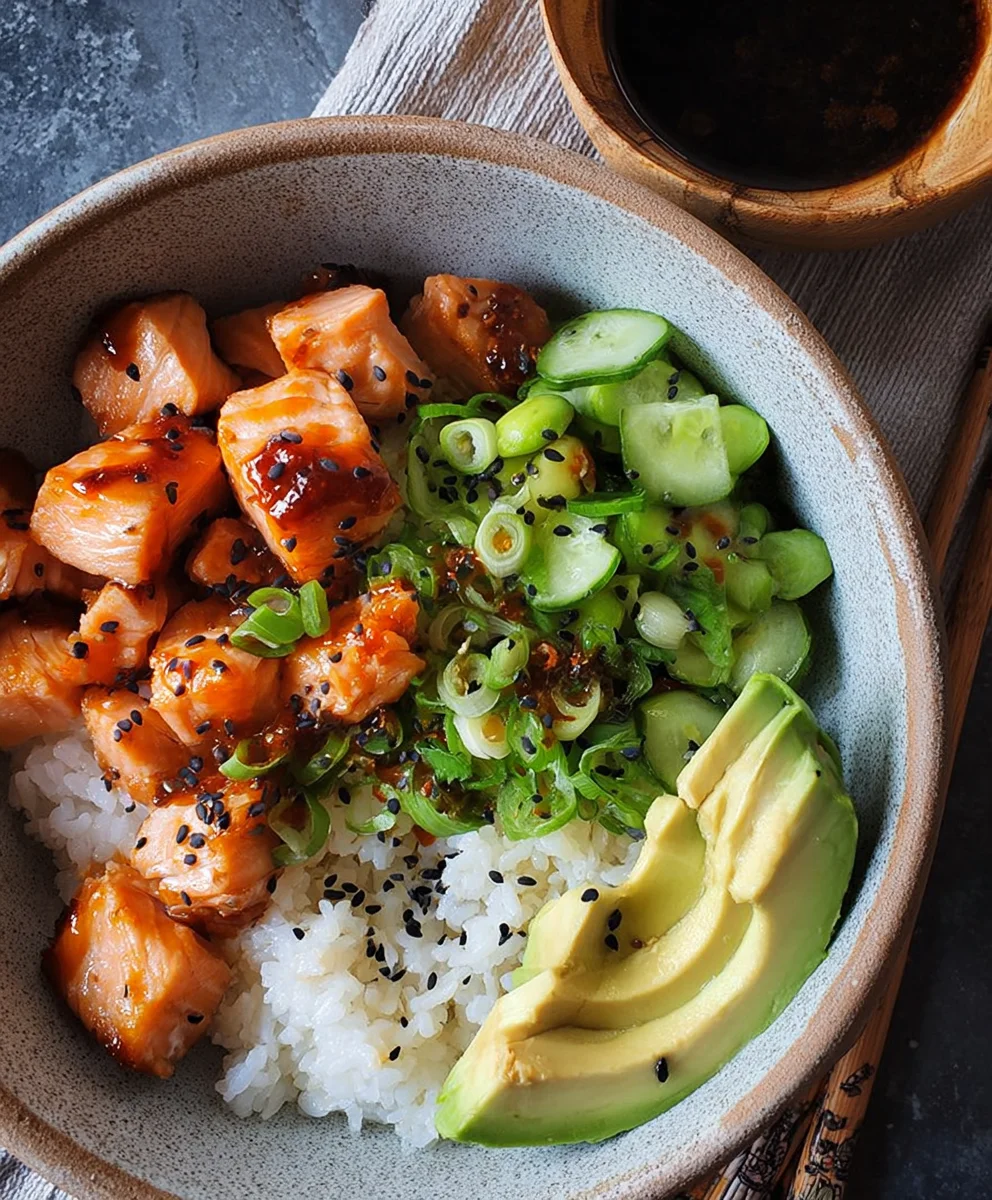
And there you have it – a delicious and satisfying Teriyaki Salmon Sushi Bowl (GF) ready to be enjoyed! This recipe is a fantastic way to bring the flavors of sushi into your home without the fuss, and it’s incredibly adaptable. The tender, glazed salmon paired with the seasoned rice and fresh toppings creates a symphony of textures and tastes that is truly delightful. We hope you love making and eating this vibrant bowl as much as we do!
For serving, this bowl is a complete meal on its own, but you can certainly enhance the experience. Consider adding a side of pickled gin extractger for an extra zing, or a small bowl of edamame. When it comes to variations, feel free to swap the salmon for shrimp or tofu, and experiment with different vegetables like shredded carrots, daikon radish, or even blanched broccoli. The key is to make the Teriyaki Salmon Sushi Bowl (GF) your own!
Don’t be intimidated if this is your first time making a sushi bowl. The steps are straightforward, and the rewards are immense. So go ahead, gather your ingredients, and get ready to impress yourself and your loved ones with this healthy and flavorful dish. We encourage you to try it out this week!
Frequently Asked Questions about Teriyaki Salmon Sushi Bowl (GF):
Q1: Can I make the teriyaki sauce from scratch for my Teriyaki Salmon Sushi Bowl (GF)?
Absolutely! While store-bought teriyaki sauce is convenient, making it from scratch allows you to control the sweetness and saltiness. A simple homemade teriyaki sauce typically involves soy sauce (or tamari for gluten-free), non-alcoholic mirin, non-alcoholic sake, suggin extract and ginger. Simmer these ingredients until slightly thickened. This will give your Teriyaki Salmon Sushi Bowl (GF) an even more authentic and personalized flavor.
Q2: What are some good gluten-free topping ideas for the Teriyaki Salmon Sushi Bowl (GF)?
The beauty of this bowl is its versatility. For gluten-free options, consider avocado slices, cucumber ribbons, shredded nori seaweed, toasted sesame seeds, sliced scallions, and even some crispy fried onions (ensure they are made with gluten-free breadcrum extractbs). Sriracha mayonnaise (check for GF ingredients) can also add a wonderful kick. The goal is to complement the salmon and rice with a variety of textures and flavors.
Gluten-Free Teriyaki Salmon Sushi Bowl
A vibrant and delicious gluten-free sushi bowl featuring perfectly cooked teriyaki salmon, seasoned sushi rice, creamy avocado, edamame, and fresh spring onions.
Ingredients
-
180g sushi rice
-
3 tbsp rice vinegar
-
1 tsp caster sugar
-
0.5 tsp fine salt
-
30ml maple syrup
-
1 tsp sesame oil
-
2 tsp gluten-free tamari soy sauce
-
0.5 tsp garlic granules
-
1 tsp non-alcoholic mirin
-
2 salmon fillets
-
2 tbsp sesame seeds
-
4 spring onions
-
150g edamame beans
-
Half a ripe avocado
Instructions
-
Step 1
Rinse sushi rice until water runs clear, then drain for 15-20 minutes. Cook rice with 200ml water for 15 minutes, then let stand, covered, for 10 minutes. While rice cooks, whisk together rice vinegar, sugar, and salt for the sushi seasoning. -
Step 2
Transfer cooked rice to a shallow bowl. Gradually drizzle sushi seasoning over the rice, gently folding and fanning to cool and distribute evenly. Set aside to cool to room temperature. -
Step 3
Prepare teriyaki marinade by whisking maple syrup, sesame oil, gluten-free tamari, garlic granules, and non-alcoholic mirin. Pat salmon fillets dry, then marinate half of the mixture for at least 15 minutes. -
Step 4
Heat a non-stick skillet over medium-high heat. Cook salmon fillets for 3-4 minutes per side. During the second side of cooking, brush with the remaining teriyaki marinade until cooked through and glazed. -
Step 5
Assemble the bowls: divide seasoned sushi rice into two bowls. Top with flaked or sliced teriyaki salmon. -
Step 6
Add edamame beans and thinly sliced avocado to each bowl. Thinly slice spring onions and sprinkle over the top, followed by sesame seeds for crunch.
Important Information
Nutrition Facts (Per Serving)
It is important to consider this information as approximate and not to use it as definitive health advice.
Allergy Information
Please check ingredients for potential allergens and consult a health professional if in doubt.